Dual Camera vs Periscope Lens: Which Smartphone Zoom Tech is Better?
2/13/2026 · Smartphone Cameras · 8 min
TL;DR
- Dual-camera setups are versatile but limited in long-range zoom.
- Periscope lenses offer superior optical zoom but come with a higher price tag.
- Choose based on your photography preferences and budget.
What is a Dual-Camera Zoom System?
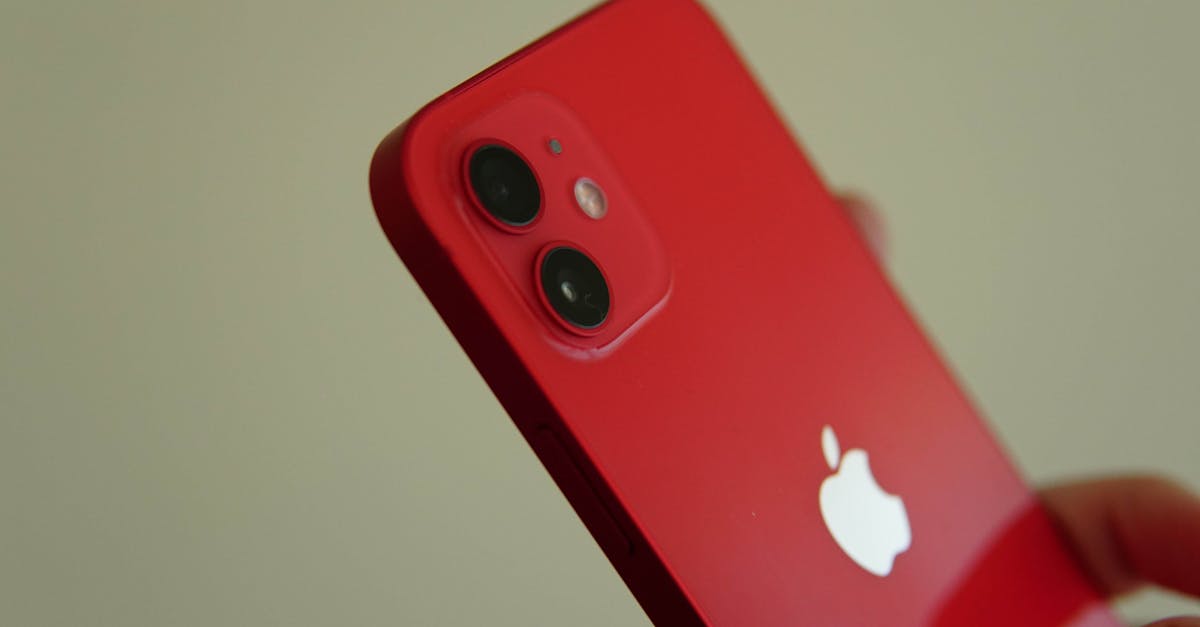
A dual-camera zoom system uses two separate lenses, typically a wide-angle and a telephoto lens, to achieve optical zoom. By switching between these lenses, smartphones can simulate a zoom effect while maintaining image quality. However, the zoom range is generally restricted (e.g., 2x or 3x optical zoom).
Advantages of Dual-Camera Systems:
- Cost-Effective: Cheaper to produce and integrate into smartphones, making them common in midrange devices.
- Compact Design: Requires less internal space, preserving slim smartphone profiles.
- Versatility: Often paired with ultra-wide or macro lenses for additional features.
Limitations:
- Limited Zoom Range: Beyond the optical zoom range, digital zoom significantly reduces image quality.
- Dependence on Software: Often relies on computational photography to enhance zoomed-in shots, which can sometimes appear artificial.
What is a Periscope Lens?
A periscope lens uses a prism to reflect light at an angle, allowing for a longer focal length inside the smartphone without increasing its thickness. This enables true optical zoom up to 5x, 10x, or even more without relying on digital enhancements.
Advantages of Periscope Lenses:
- Superior Optical Zoom: Provides sharp images even at high zoom levels.
- Enhanced Detail: Ideal for capturing distant objects with clarity.
- Professional Photography: Approaches DSLR-like zoom capabilities.
Limitations:
- Higher Costs: Adds significant manufacturing expenses, increasing smartphone prices.
- Bulky Design: Can make smartphones thicker or require compromises in battery size.
- Niche Appeal: Tailored more for photography enthusiasts than general users.
Key Differences
| Feature | Dual-Camera Zoom | Periscope Lens |
|------------------------|----------------------------|----------------------------|
| Zoom Range | Limited to 2x or 3x | Up to 10x or more |
| Image Quality | Lower at higher zoom | Superior even at long range |
| Cost | Affordable for midrange | Higher cost for flagship models |
| Device Thickness | Slimmer design | Often bulkier |
| Ideal For | Everyday users | Photography enthusiasts |
Which One is Right for You?
- Choose Dual-Camera Zoom if:
- You're on a budget and want a versatile camera setup for everyday use.
- You value a slimmer, more compact smartphone design.
- You rarely use zoom beyond 2x or 3x.
- Choose Periscope Lens if:
- You love taking high-quality photos of distant objects (e.g., wildlife, concerts).
- You're willing to pay a premium for advanced zoom capabilities.
- You prioritize photography features over device slimness.
Future Trends
As smartphone manufacturers continue to innovate, we may see hybrid systems combining dual-camera versatility with periscope-level zoom. Advances in sensor miniaturization and computational photography could also make periscope lenses more affordable and compact.
Bottom Line
For casual users, dual-camera setups offer an affordable and practical solution for everyday photography. However, if you're passionate about capturing distant subjects with uncompromising detail, investing in a smartphone with a periscope lens is worth considering.
Found this helpful? Check our curated picks on the home page.