Open-Back vs Closed-Back Headphones: Which Should You Buy?
4/20/2026 · Audio · 8 min

TL;DR
- Open-back headphones sound wider and more natural but leak audio both ways, so they're bad on trains, buses, and shared offices.
- Closed-back headphones isolate noise, keep sound private, and travel well — at the cost of a narrower, more 'in-your-head' soundstage.
- For critical mixing, mastering reference, and home listening in a quiet room, go open-back.
- For commuting, tracking vocals, streaming, and open-plan offices, go closed-back.
- Budget sweet spot: ~$150–$250 either way; below that both designs make real compromises in comfort and clarity.
- Don't assume open-back automatically sounds 'better' — a well-tuned closed-back can outperform a mediocre open-back at every price point.
How the two designs actually differ
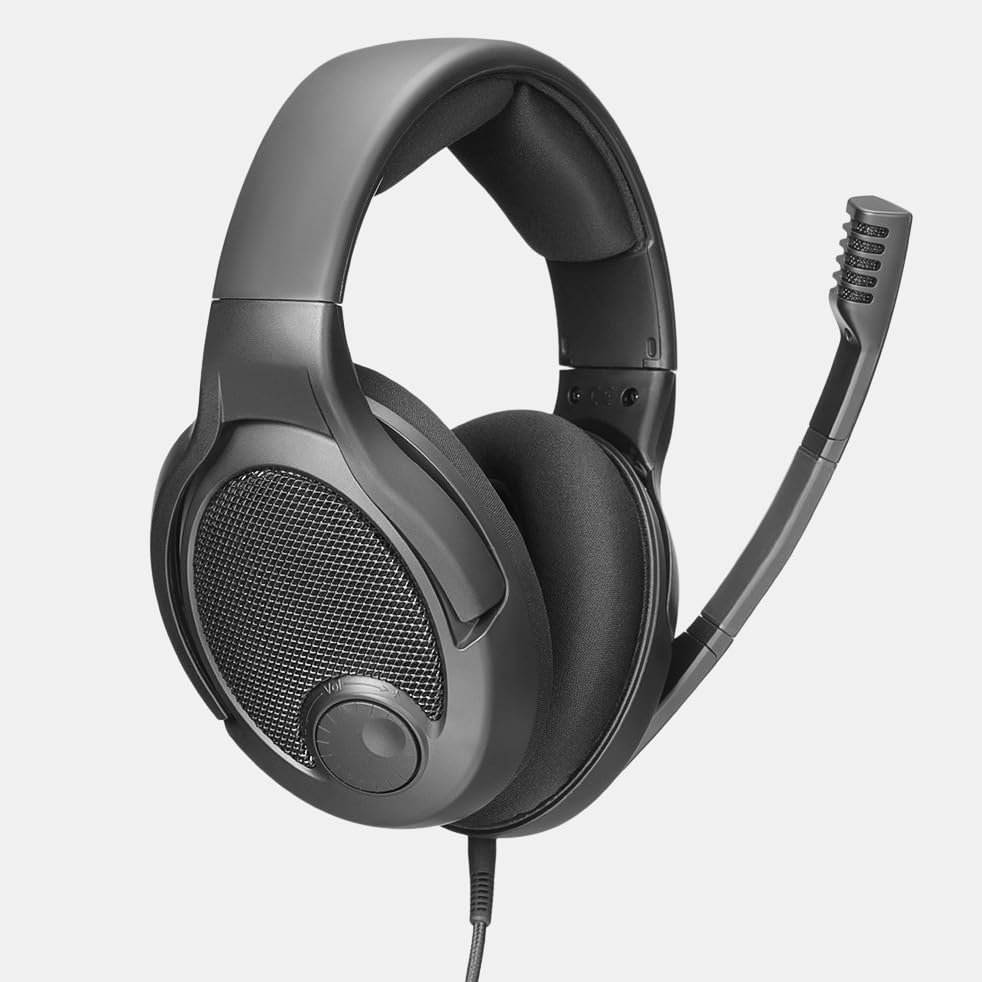
The name is literal. Open-back cans have a perforated or vented outer cup so sound waves move freely in and out of the driver enclosure. Closed-back cans seal the rear of the driver with a solid cup. That single mechanical choice drives every other difference you'll hear: isolation, soundstage width, bass response, and how fatiguing a pair feels after a three-hour session.
Open designs let the driver breathe, which reduces the resonances you get in a sealed chamber. That tends to produce a cleaner midrange and a more 'out of head' presentation. Closed designs trap air behind the driver, which reinforces low frequencies but also introduces small reflections that can muddy the sound if the cup isn't well-damped.
Soundstage and imaging
If you've only listened to closed-back headphones, open-back will feel like the roof lifted off the song. Instruments sit in a wider arc around your head instead of piling up between your ears. For orchestral recordings, live albums, and anything with careful stereo placement, that spatial accuracy is the main reason people buy into open-back.
Closed-back imaging is tighter but more intimate. Vocals and kick drums hit harder because the energy has nowhere to escape. That intimacy works well for electronic music, hip-hop, and modern pop, where the mix is already designed for headphones and earbuds.
Isolation and leakage
This is the deal-breaker category for most buyers. Open-back headphones leak sound in both directions. The person next to you will clearly hear what you're listening to at moderate volume, and you'll hear their keyboard, their conversation, and the HVAC system. They are effectively unusable on a plane, in a cafe, or in any shared workspace.
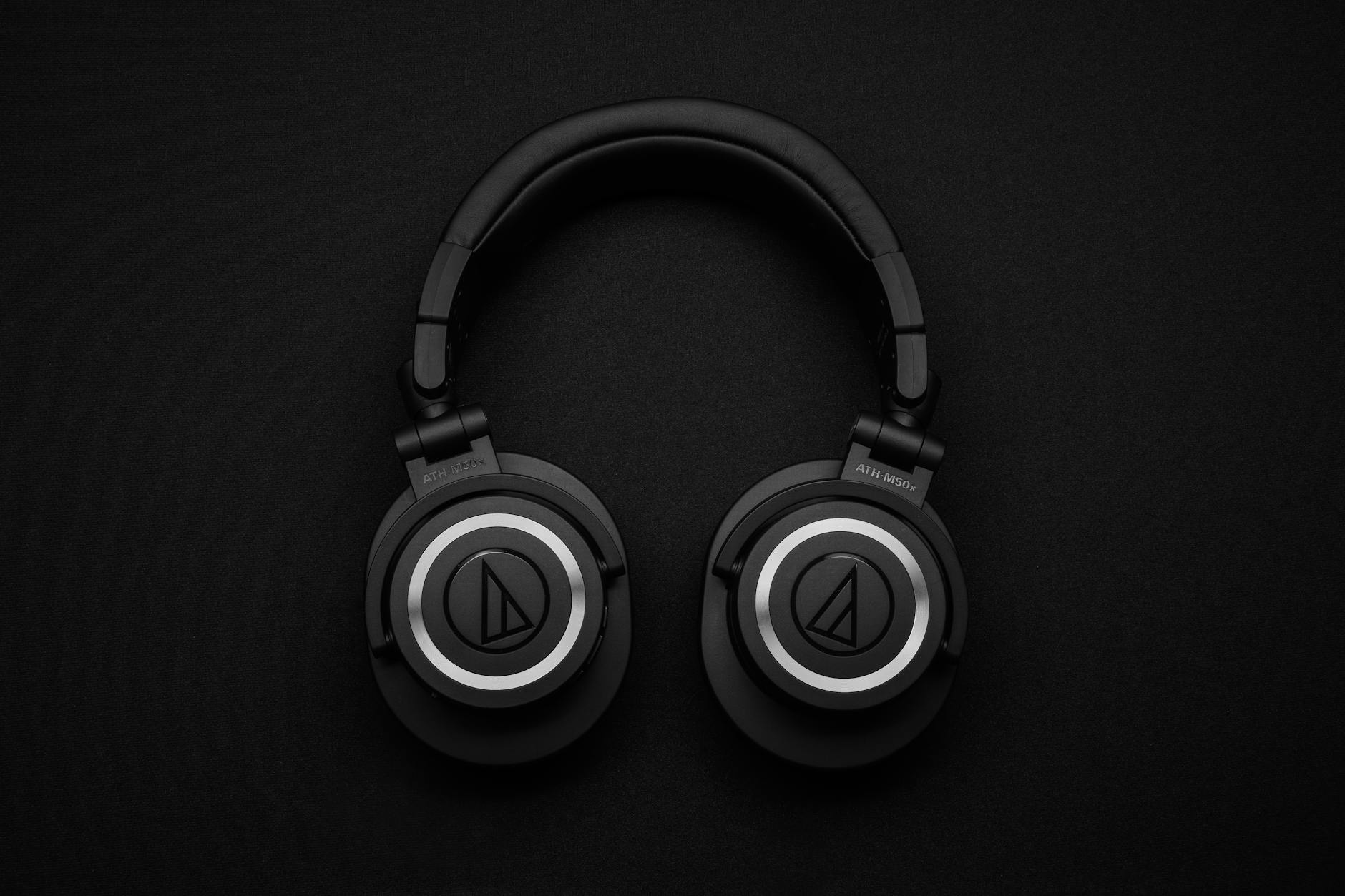
Closed-back headphones can drop ambient noise by roughly 10–20 dB passively, before any active noise cancellation is added. That's the difference between 'I can hear the mix' and 'I can hear the mix plus the roommate's TV'. If you record vocals or podcast interviews, closed-back is mandatory — open-back bleeds the reference track straight into the mic.
Comfort over long sessions
Open-back cans usually feel cooler on the ears because air circulates through the pad. Many audiophiles report they can wear an open-back pair for a full workday where a closed-back pair gets sweaty after two hours. If you routinely do 6+ hour sessions (programmers, editors, academics), comfort alone can justify open-back.
Closed-back designs have closed the gap recently with better pad materials and lighter frames, but physics still favors the open design for heat and pressure. Weight matters more than cup type for neck fatigue — anything above ~380 g starts to feel heavy regardless of design.

Gaming: which is better?
Competitive FPS players overwhelmingly prefer open-back. The wider soundstage makes it easier to localize footsteps and directional cues, especially vertical placement (someone on a floor above you). Closed-back headphones tend to collapse height cues into the same plane.
The trade-off is microphone bleed. If you're on voice chat, your open-back cans will dump game audio straight into your mic. Teammates hearing their own gunfire echoed back is a well-known open-back tell. A noise-gated mic helps, but closed-back is still the cleaner option for streaming or content creation.
Mixing, mastering, and monitoring
For tracking (recording) musicians, closed-back is the standard because of leakage. For mixing decisions, open-back is preferred because the flatter, less-resonant response reveals problems that a closed-back would mask. Many studios own both: closed-back for tracking booths, open-back at the mix position.
If you mix on headphones as a hobbyist, don't skip the open-back pair. You will make better EQ decisions on cans that don't have a 3–5 dB hump in the upper bass from the sealed cup.
Quick comparison
| Use case | Open-back | Closed-back |
|---|---|---|
| Commuting / travel | Poor | Excellent |
| Open-plan office | Poor | Good |
| Quiet home listening | Excellent | Good |
| Competitive gaming | Excellent | Good |
| Streaming with mic | Poor | Excellent |
| Vocal tracking | Poor | Excellent |
| Mixing / reference | Excellent | Good |
| Long sessions (heat) | Excellent | Fair |
| Bass slam | Fair | Excellent |
| Soundstage width | Excellent | Fair |
Budget picks by design
These are categories, not specific product recommendations — models change every year, but the price brackets are stable.
- Entry closed-back ($80–$150): Solid workhorses for tracking and general use. Expect a V-shaped tuning with boosted bass and treble.
- Mid closed-back ($150–$300): Flatter response, better materials, replaceable pads. This is where closed-back starts competing with open-back on detail retrieval.
- Entry open-back ($100–$200): The category's strength is the soundstage, not the drivers. A $150 open-back often beats a $150 closed-back for imaging.
- Mid open-back ($250–$500): Planar-magnetic and high-end dynamic options. This is where you hear what audiophiles are talking about.
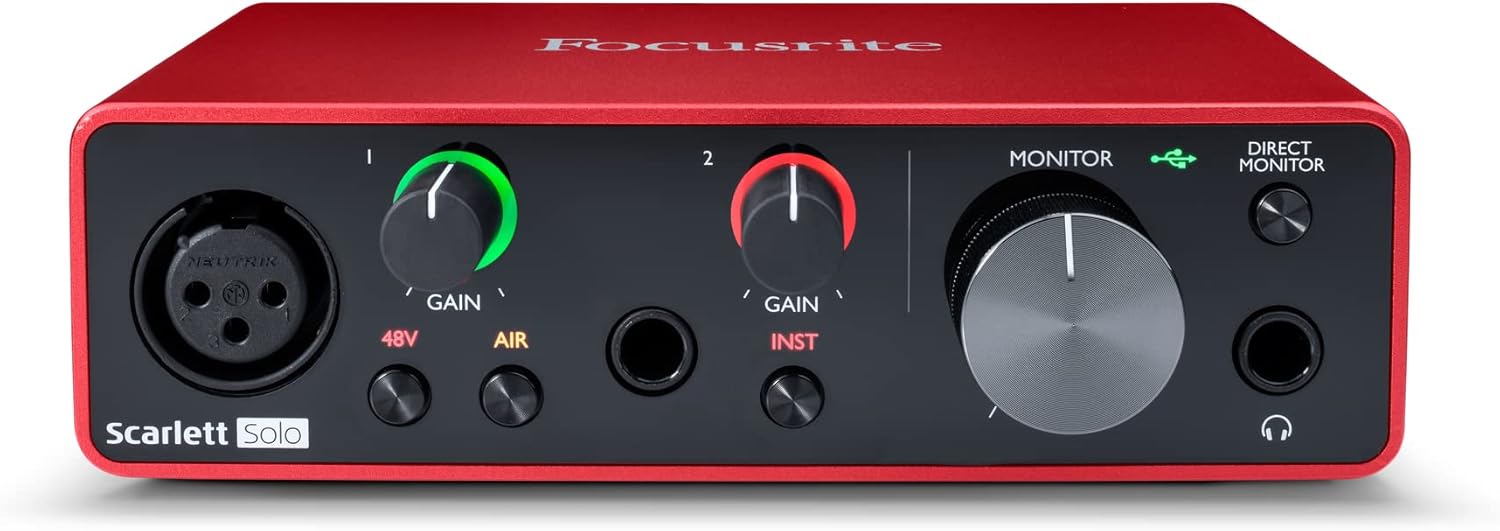
- Above $500: Diminishing returns for most listeners. The bigger upgrade at this tier is usually a dedicated DAC/amp rather than the cans themselves.

Semi-open: the middle ground
Semi-open designs (think partial venting) try to split the difference. They leak and isolate some — less than open-back, more than closed-back. In practice, semi-open often ends up as a worse version of both: not isolating enough for a commute, not open enough for reference listening. A handful of flagship semi-opens are genuinely excellent, but the category is smaller and more expensive per unit of performance.
Amplification: do you need it?
Open-back headphones, particularly planar-magnetic models, are often harder to drive. A phone or laptop jack runs out of voltage before the headphones hit their proper dynamics. If you're buying open-back above $200, budget $100–$200 more for a basic DAC/amp (dongle-sized models are fine for most planars under 50 ohms impedance).
Closed-back cans are usually tuned to run off a phone. You can still benefit from an amp, but it's less essential to hearing the headphone perform correctly.
Pitfalls to avoid
- Don't buy open-back for a commute because a review raved about the soundstage. You'll crank the volume to beat the subway and damage your hearing. Buy for your actual use case.
- Don't assume closed-back means 'good bass'. Cheap closed-backs often have bloated, one-note bass. Look for measurements (Crinacle, Rtings) before buying.
- Don't chase impedance specs you don't understand. High-impedance versions (250 or 600 ohm) exist to match studio equipment, not to sound better — they just need more amp.
- Don't forget pad replacement. Worn pads change frequency response by 2–4 dB. Most reputable headphones have user-replaceable pads; check before buying.
Bottom line
The choice isn't about which design is 'better' — it's about where you'll actually use the headphones. Buy closed-back if you need privacy, isolation, or a microphone nearby. Buy open-back if your listening happens in a quiet room and you care about soundstage and long-session comfort. Enthusiasts end up owning one of each because the use cases barely overlap. If you're buying your first serious pair, pick whichever matches your 80% use case and get the best one you can afford in that category rather than compromising across both.
Found this helpful? Check our curated picks on the home page.