Webcam vs Mirrorless Camera for Streaming: Which Should You Use?
4/29/2026 · Streaming · 9 min read

TL;DR
- A quality 1080p webcam like the Logitech Brio or Elgato Facecam is the simplest, most affordable path to good-looking streams — plug in and go.
- A mirrorless camera delivers dramatically better image quality thanks to larger sensors, real lens blur, and superior low-light performance.
- Going the mirrorless route requires a capture card (usually $100–$200), a dummy battery or AC adapter, and sometimes a micro-HDMI cable.
- For most streamers under 500 concurrent viewers, a $100–$150 webcam is the sweet spot in value.
- If you already own a mirrorless camera for photography, repurposing it for streaming is absolutely worth it.
- Budget matters: a webcam setup runs $80–$200 total, while a mirrorless streaming rig starts around $500–$800 and can easily exceed $1,500.
Why your camera choice matters more than you think
Viewers make snap judgments. Research from Twitch and YouTube creator programs consistently shows that stream quality — especially video sharpness and good lighting — directly affects how long new viewers stick around. A blurry, noisy, or washed-out camera feed signals "amateur" before you even say a word.
That said, there is a point of diminishing returns. Going from a built-in laptop webcam to a dedicated 1080p webcam is a massive upgrade. Going from that webcam to a mirrorless camera is noticeable but more subtle. The question is whether that incremental gain justifies the extra cost and complexity for your specific situation.
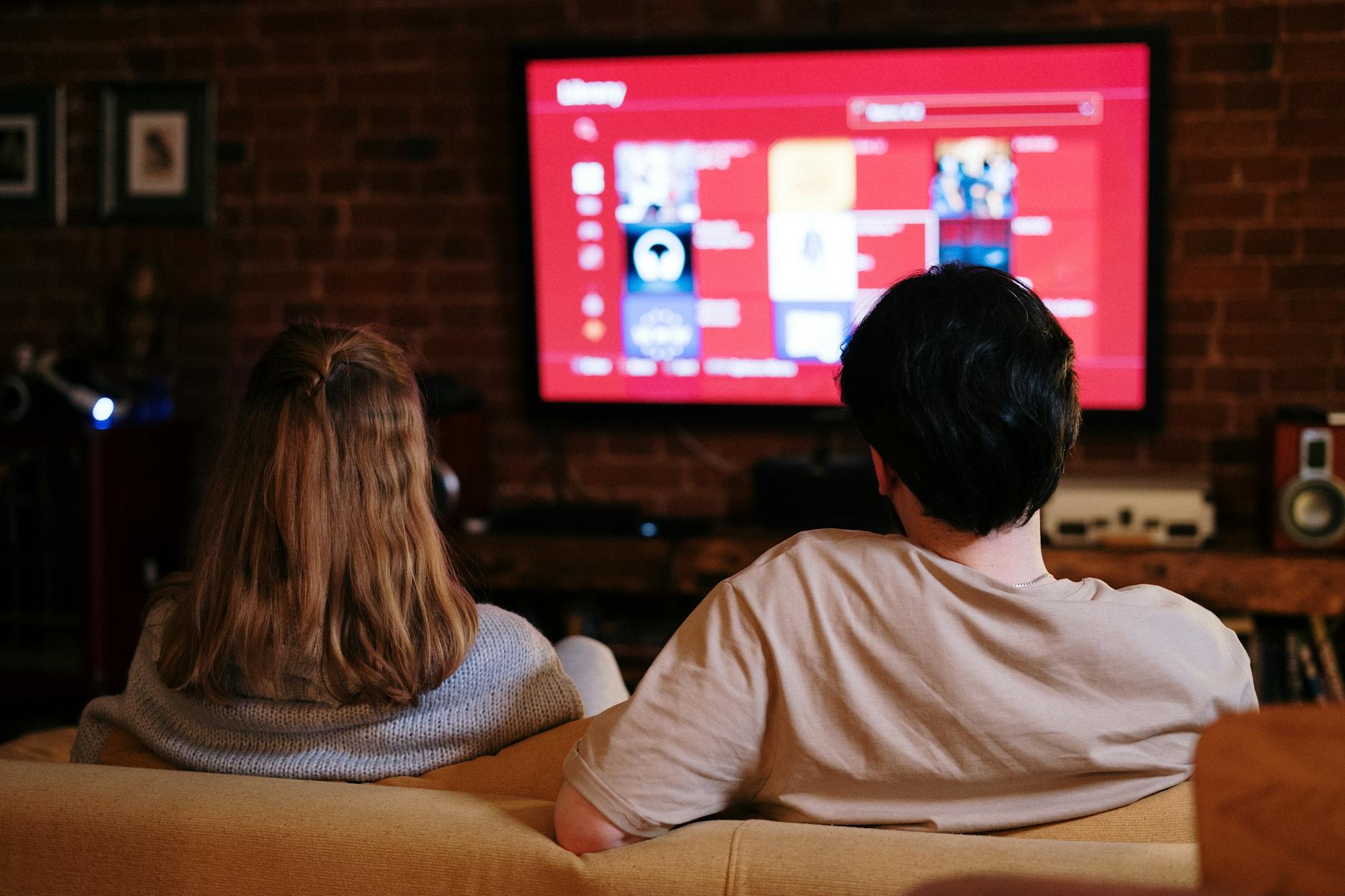
Image quality comparison
The single biggest advantage of a mirrorless camera is sensor size. Even an entry-level APS-C mirrorless like the Sony a6400 or Fujifilm X-T30 has a sensor roughly 13 times larger than the tiny sensor inside a typical webcam. That translates to:
- Depth of field: Real optical background blur (bokeh) that no software-based blur can replicate convincingly. Your background melts away naturally.
- Low-light performance: Larger pixels gather more light. In a dimly lit room, a mirrorless camera produces a clean, noise-free image where a webcam would show visible grain.
- Dynamic range: Mirrorless cameras handle mixed lighting (a bright window behind you, a desk lamp in front) far better than webcams, which tend to blow out highlights or crush shadows.
- Color science: Cameras from Sony, Canon, and Fujifilm have years of color-tuning expertise. The skin tones look more natural and pleasing out of the box.
Webcams have improved significantly — the Elgato Facecam Pro shoots 4K at 60fps and produces a genuinely good image. But physics is physics: a bigger sensor with a real glass lens will always win on raw image quality.
Setup complexity
This is where webcams fight back hard. A webcam setup looks like this: plug USB cable into computer, open OBS, select webcam as video source. Done. Five minutes, no drama.
A mirrorless camera setup involves:
- Mount the camera on a tripod or desk clamp.
- Attach a lens (if not a kit lens, you are choosing focal lengths — 24mm, 35mm, or 50mm equivalent are common for streaming).
- Connect a micro-HDMI or mini-HDMI cable from the camera to a capture card.
- Plug the capture card into your PC via USB.
- Install a dummy battery or AC adapter so the camera does not die mid-stream.
- Configure the camera to output clean HDMI (no overlays, no autofocus hunting icons).
- Set the camera to manual or semi-manual mode to prevent auto-exposure shifts.
- In OBS, select the capture card as your video source.
That is eight steps minimum, and each one is a potential point of failure. HDMI cables come loose. Capture cards occasionally drop frames. Cameras overheat after hours of continuous use (especially older models). If you are not comfortable troubleshooting hardware, this complexity is real.
Cost breakdown
| Component | Webcam Setup | Mirrorless Setup |
|---|---|---|
| Camera / Webcam | $80–$200 | $500–$1,200 |
| Lens | Included | $0 (kit) – $400 |
| Capture card | Not needed | $100–$200 |
| Dummy battery / AC adapter | Not needed | $15–$30 |
| HDMI cable | Not needed | $10–$20 |
| Tripod / desk mount | $15–$30 | $25–$60 |
| Total | $95–$230 | $650–$1,910 |
The gap is substantial. You could buy a top-tier webcam, a quality USB microphone, a ring light, and a green screen for less than the cost of a mid-range mirrorless body alone. For new streamers, that money is almost always better spent on audio and lighting first.
Autofocus and tracking
Modern mirrorless cameras have eye-tracking autofocus that locks onto your face and follows you if you lean back, stand up, or move around your desk. Sony's Real-Time Eye AF, Canon's Dual Pixel AF II, and Fujifilm's subject detection are all excellent. Once set up, you rarely think about focus.
Webcams have gotten better here too. The Insta360 Link and Obsbot Tiny 2 use AI-powered tracking that physically pans and tilts to follow you. The Elgato Facecam Pro has solid software-based autofocus. But webcam autofocus can hunt in low light or when you move quickly, producing a brief but noticeable blur that mirrorless cameras handle without flinching.
Overheating and reliability
Streaming means your camera runs continuously for hours. Most webcams handle this without issue — they are designed for exactly this use case.
Mirrorless cameras were designed for photography with occasional video recording. Many older or budget models overheat after 30–60 minutes of continuous 4K output. Newer models like the Sony a6700, Canon R50, and Panasonic S5 II have improved thermal management, but overheating remains a risk in warm rooms or during long marathon streams.
If you stream for 4+ hours regularly, either choose a mirrorless camera specifically tested for long-duration recording or accept that you may need to output at 1080p instead of 4K to reduce heat.
Audio considerations
This might seem off-topic, but it matters. Webcams typically include a built-in microphone that works as a passable backup. Some (like the Logitech Brio) sound surprisingly decent for casual calls.
Mirrorless cameras also have microphones, but they are useless for streaming because the audio comes through the capture card with noticeable latency and poor quality. You will need a separate USB microphone or audio interface regardless — which you should have anyway, since audio quality matters more than video quality for viewer retention.
Software and integration
Webcams integrate directly with every streaming app: OBS, Streamlabs, Discord, Zoom, Google Meet. They show up as native video devices. Most come with companion software for adjusting exposure, white balance, and field of view.
Mirrorless cameras via capture cards also appear as video devices in OBS, but you lose the ability to adjust camera settings from your computer (you have to reach over and change settings on the camera body). Some manufacturers offer USB webcam modes — Sony, Canon, and Fujifilm all have official software that lets the camera connect directly via USB without a capture card. The image quality in USB webcam mode is usually lower than HDMI output, and these solutions can be finicky, but they eliminate the capture card cost.

When a webcam is the right choice
A webcam makes sense if you are starting out and your budget is under $300 total for video, you prioritize simplicity and reliability over maximum image quality, you use your camera for both streaming and video calls (webcams switch between apps effortlessly), you do not already own a mirrorless camera, or you stream from a laptop and need something portable.
The Elgato Facecam ($150), Logitech Brio 4K ($130), and Insta360 Link ($200) are all excellent choices that will serve most streamers well for years.
When a mirrorless camera is the right choice
A mirrorless camera makes sense if you already own one for photography or video work, you are a full-time or semi-professional streamer where visual quality is part of your brand, you have good lighting and want to maximize what your camera sees, you need that shallow depth-of-field look and software blur is not cutting it, or your streaming setup is permanent and you will not need to tear it down.
The Sony a6400 ($750), Canon EOS R50 ($680), and Panasonic G100 ($600) are popular entry points that balance price, video quality, and streaming reliability.
The hybrid approach
Many successful streamers use both. A webcam handles casual streams, co-working sessions, and video calls where convenience matters. The mirrorless camera comes out for planned, produced streams where visual quality is a priority. This gives you the best of both worlds without forcing a compromise.
If you go this route, set up both as sources in OBS and switch between them with a hotkey. It takes five seconds and your viewers will never notice the transition.
What about DSLR cameras?
DSLRs can work for streaming, but mirrorless is the better choice. DSLRs tend to overheat faster, have inferior autofocus during video (the mirror mechanism is designed for stills), and most lack clean HDMI output without on-screen icons. If you already own a DSLR, try it — but do not buy one specifically for streaming in 2026.
Bottom line
For most streamers, a dedicated 1080p webcam in the $100–$200 range paired with good lighting delivers 90% of the visual quality at 20% of the cost and complexity of a mirrorless setup. Spend the savings on a proper microphone and key light — your viewers will thank you.
If you already own a mirrorless camera or you are ready to invest in a professional-grade streaming setup, the image quality leap is real and visible. Just budget for the full ecosystem: capture card, dummy battery, HDMI cable, and a mount. And test for overheating before your first big stream.
Found this helpful? Check our curated picks on the home page.


